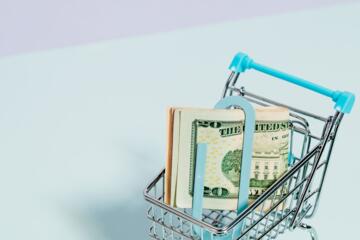
Why We Buy on Impulse
Impulse buying happens when a purchase is made with little planning and a strong emotional trigger. It can occur in a supermarket checkout line, during a late-night online shopping session, or after seeing a targeted advertisement on social media.
Consumer behavior research consistently shows that emotions play a major role in spending decisions. Feelings such as excitement, stress, boredom, loneliness, and even happiness can increase the likelihood of making unplanned purchases.
Modern shopping environments are designed to encourage fast decisions. Retailers use limited-time offers, flash sales, personalized recommendations, and one-click checkout systems to reduce the time between desire and purchase.
The challenge is significant. Studies have found that many consumers make impulse purchases regularly, with online shopping and mobile commerce increasing opportunities to spend money without deliberate consideration. Understanding these psychological triggers is essential for anyone who wants to save more effectively.
The Hidden Cost
Many people assume impulse purchases are harmless because individual transactions are often small. A $15 online order, a $7 coffee delivery, or a $30 sale item may not seem important in isolation.
The problem emerges through repetition. Spending $20 on unnecessary purchases four times per week adds up to more than $4,000 annually. For many households, that amount could fund an emergency reserve, reduce debt, or contribute to retirement savings.
Another issue is emotional spending. People often buy products hoping to improve their mood. The satisfaction is usually temporary, creating a cycle where spending becomes a short-term emotional coping mechanism.
Impulse buying also undermines financial goals. Someone saving for a home deposit, vacation, education fund, or investment portfolio may unknowingly delay progress through dozens of small purchases that feel insignificant at the moment.
The result is frustration, financial stress, and a sense that saving money is impossible despite earning a reasonable income.
Strategies That Work
Identify your spending triggers
The most effective way to reduce impulse purchases is to understand what causes them. For some people, the trigger is stress after work. For others, it is boredom, social media exposure, or promotional emails.
Track every unplanned purchase for 30 days. Record what you bought, how much it cost, where you were, and how you felt before making the purchase.
Patterns usually emerge quickly. Many people discover that emotional states—not actual needs—drive most unnecessary spending decisions.
Use the 24-hour rule
The 24-hour rule is one of the simplest and most powerful spending controls. Before buying a nonessential item, wait at least one full day.
For larger purchases above $200 or $500, extend the waiting period to 72 hours or even one week.
This delay reduces emotional decision-making and allows logical evaluation. Many consumers discover they no longer want the item after the waiting period ends.
The technique is especially effective for online purchases where instant checkout encourages impulsive behavior.
Remove friction from spending
Retailers invest heavily in making purchases effortless. Consumers benefit by reversing that process.
Delete saved payment methods from shopping websites. Remove credit card details from browsers and mobile apps. Disable one-click purchasing features where possible.
Adding even 60 seconds of effort creates a pause that encourages reflection. Behavioral economists often refer to this as increasing friction in the decision process.
Automate savings first
People who save successfully often remove the need for constant self-control. Automated transfers move money into savings before spending decisions occur.
For example, a worker earning $4,000 per month could schedule a $400 transfer into a high-yield savings account immediately after payday.
Many banks and financial apps support automatic transfers, round-up savings features, and goal-based savings accounts that reduce the temptation to spend available cash.
Reduce marketing exposure
Marketing works because it repeatedly creates desire. Consumers who see fewer promotions tend to make fewer impulse purchases.
Unsubscribe from retail newsletters. Turn off promotional notifications. Limit exposure to shopping-focused social media accounts.
Many online retailers spend billions annually on advertising because repeated exposure influences purchasing behavior. Reducing that exposure lowers temptation.
The goal is not avoiding all advertising but minimizing unnecessary triggers.
Create spending categories
Completely eliminating discretionary spending often fails because it feels restrictive. A better approach is assigning realistic spending categories.
For example, allocate $100 monthly for hobbies, $50 for entertainment purchases, and $75 for personal treats.
This approach allows enjoyment while maintaining control. People are less likely to binge-spend when they know designated funds already exist for nonessential purchases.
Use visual savings goals
The human brain responds strongly to visible progress. Savings goals become more motivating when they are specific and measurable.
Instead of saving "more money," create goals such as a $5,000 emergency fund, a $3,000 vacation budget, or a $20,000 house deposit.
Many banking apps now display progress bars and milestones. Watching savings grow provides positive reinforcement that competes with the short-term satisfaction of impulse purchases.
Replace shopping habits
Impulse buying often fills a psychological need rather than a practical one. Replacing the behavior is more effective than relying solely on willpower.
Someone who shops online when bored could replace the habit with reading, exercise, learning a skill, or calling a friend.
The objective is to create alternative sources of reward and stimulation. Long-term behavior change becomes easier when spending is no longer the primary response to emotional triggers.
Real-Life Examples
Case 1: A marketing professional earning $75,000 annually noticed frequent online purchases through Amazon, Instagram advertisements, and fashion retailers. After implementing a 48-hour waiting period and deleting saved payment information, monthly discretionary spending fell by 28%. Over twelve months, she accumulated more than $6,000 in additional savings.
Case 2: A young couple struggled to build an emergency fund despite stable incomes. Analysis revealed dozens of small impulse purchases averaging $12 to $25 each. They automated savings transfers of $300 per paycheck and unsubscribed from promotional emails. Within eighteen months, they built a $10,000 emergency reserve while reporting lower financial stress.
Saving Checklist
| Method | Effort | Speed | Impact |
|---|---|---|---|
| Wait | Low | Fast | High |
| Track | Low | Fast | High |
| Auto | Low | Fast | High |
| Block | Mid | Fast | Mid |
| Goals | Mid | Slow | High |
Common Pitfalls
One frequent mistake is relying entirely on willpower. Self-control is limited, especially during stressful periods. Systems and habits are usually more effective than motivation alone.
Another mistake is treating every purchase as a failure. Occasional discretionary spending is normal and sustainable. Financial success depends on long-term patterns rather than isolated decisions.
Many people also underestimate small expenses. Daily spending often escapes attention because individual transactions seem minor. Regular expense reviews help reveal hidden patterns.
Setting unrealistic savings goals can create frustration. A gradual increase in savings rates is often more sustainable than aggressive cuts that are difficult to maintain.
Finally, avoid comparing spending habits with others on social media. Online lifestyles often present a distorted view of financial reality and can encourage unnecessary purchases.
FAQ
Why do I buy things I do not need?
Impulse purchases are often driven by emotions, habits, advertising exposure, and the desire for immediate gratification rather than genuine need.
How long does it take to break impulse spending habits?
Behavioral change varies by individual, but many people notice improvements within 30 to 60 days when consistently tracking purchases and using spending controls.
Does online shopping increase impulse buying?
Yes. Personalized recommendations, one-click checkout, and constant promotional exposure can make online environments especially conducive to impulsive spending.
What is the best way to save money automatically?
Setting up recurring transfers immediately after payday is one of the most effective methods because savings occur before discretionary spending decisions.
Can budgeting alone stop impulse buying?
Budgeting helps, but understanding psychological triggers and creating behavioral systems usually produces better long-term results than budgeting alone.
Author's Insight
In my experience, people rarely solve impulse spending by becoming more disciplined. They succeed when they make impulsive purchases harder and saving easier. The biggest breakthrough often comes from recognizing emotional triggers rather than focusing only on numbers. I have found that automated savings, delayed purchasing decisions, and reduced marketing exposure consistently outperform strict spending bans. Sustainable financial habits are built through systems, not constant self-control.
Summary
Impulse buying is driven by psychology as much as finances. By identifying spending triggers, delaying purchases, automating savings, reducing advertising exposure, and creating meaningful financial goals, consumers can gain greater control over their money. Small behavioral adjustments repeated consistently often produce larger long-term savings than drastic budgeting changes.